Assisted Living and Residential Care: A Simple Guide for Seniors

Considering a move that makes daily life easier while keeping your independence? Assisted living—also called residential care—offers a home-like setting with help for everyday tasks when you need it, plus meals, housekeeping, transportation, and social activities.

Elderly residents enjoying a safe and friendly assisted living community with caregiver support.

What Is Assisted Living?

Assisted living is a senior living option where you have your own apartment or room in a community and receive help with daily tasks. Services commonly include:
  • Personal care: bathing, dressing, toileting, mobility
  • Medication assistance and reminders
  • Housekeeping and linen service
  • Three meals a day and snacks
  • Transportation to appointments and errands
  • 24/7 on-site staff and emergency response
  • Social, fitness, and learning programs
Note: Names and licensing vary by state. You may also see terms like residential care, personal care, board and care, adult living facility, or adult foster care. All aim to provide an assistive, home-like environment; specific services and staffing depend on state rules.

Is Assisted Living Right for Me?

You may benefit from assisted living if you:
  • Want fewer household responsibilities (cooking, cleaning, maintenance)
  • Need some help with Activities of Daily Living (ADLs), such as bathing, dressing, or medication management
  • Value on-site dining, transportation, and social activities
  • Prefer a private space with access to support 24/7
  • Want to stay independent—but safer and more supported

Older adult thoughtfully considering assisted living options for more support and independence.
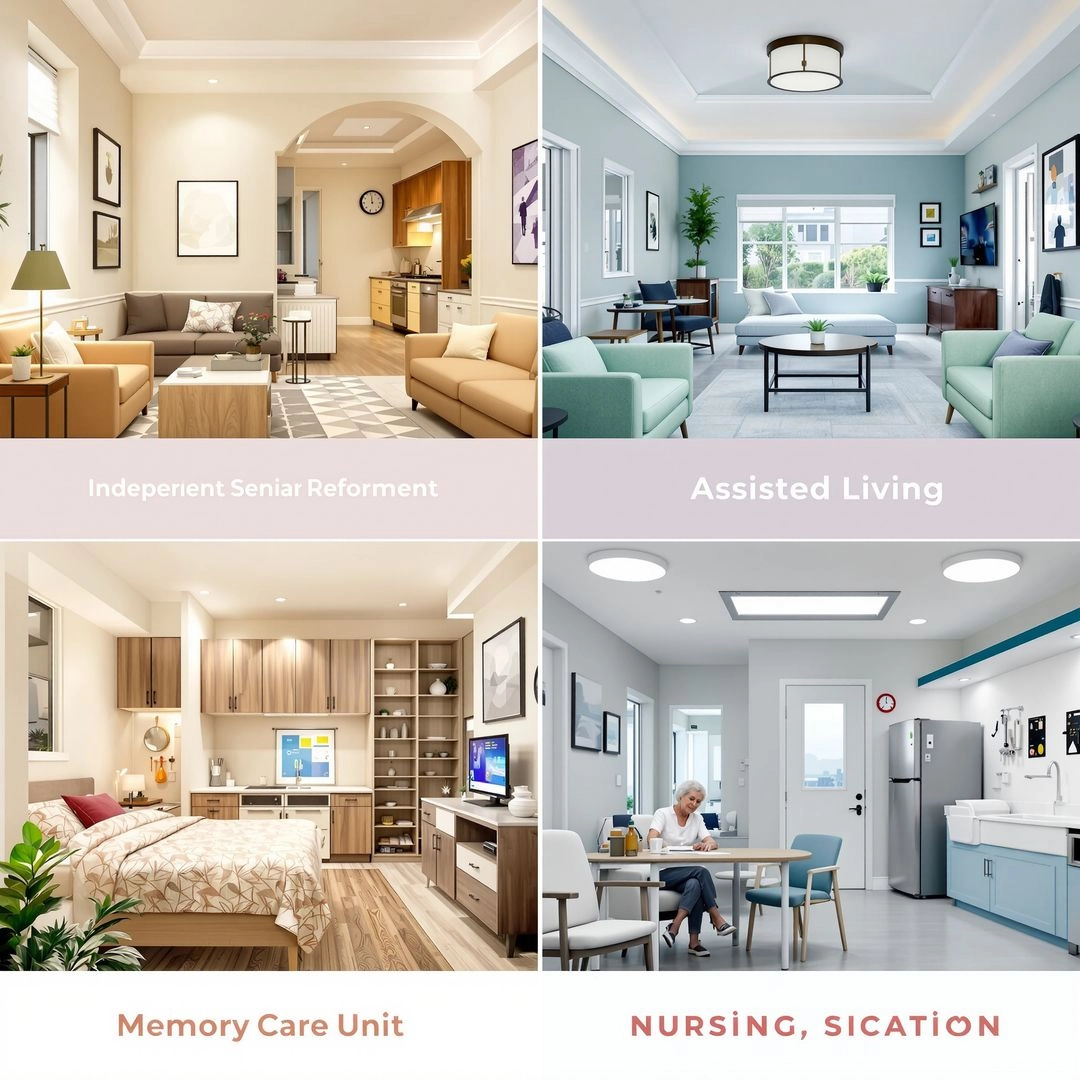
Comparison of senior living choices including independent living, assisted living, memory care, and nursing homes.

How Assisted Living Compares to Other Options

  • Independent living: Best if you’re active and need no daily care; amenities and social life without personal care.
  • Board and care homes (small homes): 3–10 residents, family-like setting, more personalized attention, typically lower cost than large communities.
  • Memory care (assisted living for dementia): Secure areas, trained staff, structured routines for people living with Alzheimer’s or other dementias.
  • Nursing home/skilled nursing: 24-hour medical supervision and rehabilitation; needed for intensive clinical care.

What Services Are Included?

Most communities offer:
  • Care: assistance with ADLs, medication support, wellness checks
  • Lifestyle: events, clubs, fitness classes, religious services, outings
  • Dining: chef-prepared meals, menu choices, special diets
  • Safety: 24/7 staff, emergency call systems, accessibility features (grab bars, handrails)
  • Convenience: weekly housekeeping, laundry, transportation
  • Health coordination: help arranging PT/OT, visiting nurses, or hospice as allowed by state regulations

Comprehensive assisted living services including personal care, dining, and wellness activities for seniors.

Costs and Ways to Pay

How pricing works:

  • Monthly rent for your apartment or room
  • Level-of-care fees based on your individual needs (for example, Level 1 vs. Level 2 care)
  • Possible add-ons: extra transportation, personal laundry, special diets

What influences cost:

  • Location and apartment size
  • Care level (how much daily help you need)
  • Community amenities and services

Ways to pay:

  • Private pay (savings, retirement income)
  • Long-term care insurance (benefits often cover assisted living if eligibility criteria are met)
  • Medicaid waivers (available in some states; typically does not cover room/board but may cover services)
  • Veterans benefits (Aid & Attendance for eligible veterans and surviving spouses)
  • Family support
Important: Medicare generally does not pay for room and board in assisted living.

How to Choose the Right Community

Clarify needs and budget

  • Make a list of ADL and medication needs, lifestyle preferences, and your monthly budget.
  • Ask a trusted professional (primary care provider or care advisor) to help prioritize.

Shortlist and schedule tours

  • Visit at least 3 communities—at different times of day.
  • Bring a checklist: /resources/assisted-living-checklist

Safety and accessibility

  • Check for handrails, non-slip floors, wide doorways, good lighting, elevators, and secure outdoor areas.
  • Ask about emergency response times and staff training.

Care and staffing

  • How are needs assessed and updated? Is there a written care plan?
  • Ask about staff-to-resident ratios on days, evenings, and nights.
  • Learn medication policies and who manages them.

Lifestyle and dining

  • Review activity calendars and attend an event.
  • Dine on-site to sample food and observe mealtime socializing.
  • Confirm support for special diets.

Contracts and costs

  • Request a written breakdown of all fees, care levels, and what triggers price increases.
  • Ask about refunds, move-out policies, transfers, and what happens if needs change.
  • Consider having an elder law attorney review the agreement.

References and reviews

  • Speak with residents and family members.
  • Contact your local long-term care ombudsman for any history of complaints.

Trial stay

  • Ask about respite or short-stay options to “try before you decide.”

Memory Care within Assisted Living

If you or your loved one lives with Alzheimer’s or another dementia:
  • Look for secured neighborhoods designed to prevent wandering while promoting independence.
  • Confirm staff training in dementia care, calming techniques, and meaningful engagement.
  • Ask about personalized routines, family involvement, and care plan updates.

Combined Care Communities

Some campuses offer independent living, assisted living, memory care, and nursing care together. Benefits include:
  • Staying in the same community as care needs change
  • Easier transitions and familiar staff
  • Convenient access for couples with different care needs
What to Expect on Move-In Day
  • Personalized care plan review and medication reconciliation
  • Meet-and-greet with your care team and neighbors
  • Help arranging furniture and personal items to make your space feel like home
  • Orientation to dining, activities, and transportation

Frequently Asked Questions

What’s the difference between assisted living and a nursing home?
Assisted living offers help with daily tasks in a home-like setting; nursing homes provide 24/7 medical care and rehabilitation for complex needs.
Can I bring my pet?
Many communities are pet-friendly. Ask about pet policies, size limits, and care responsibilities.
What if my care needs increase?
Your care plan can be updated. Some communities offer higher care levels or easy transfer to memory care or skilled nursing on the same campus.
Is assisted living covered by Medicare?
Generally, Medicare does not cover room and board. Other payor sources may help with services.
Do communities accept residents with memory loss?
Many do. Ask about dedicated memory care and staff training for dementia.

Find Eldercare Services in Your Area