What is stress?
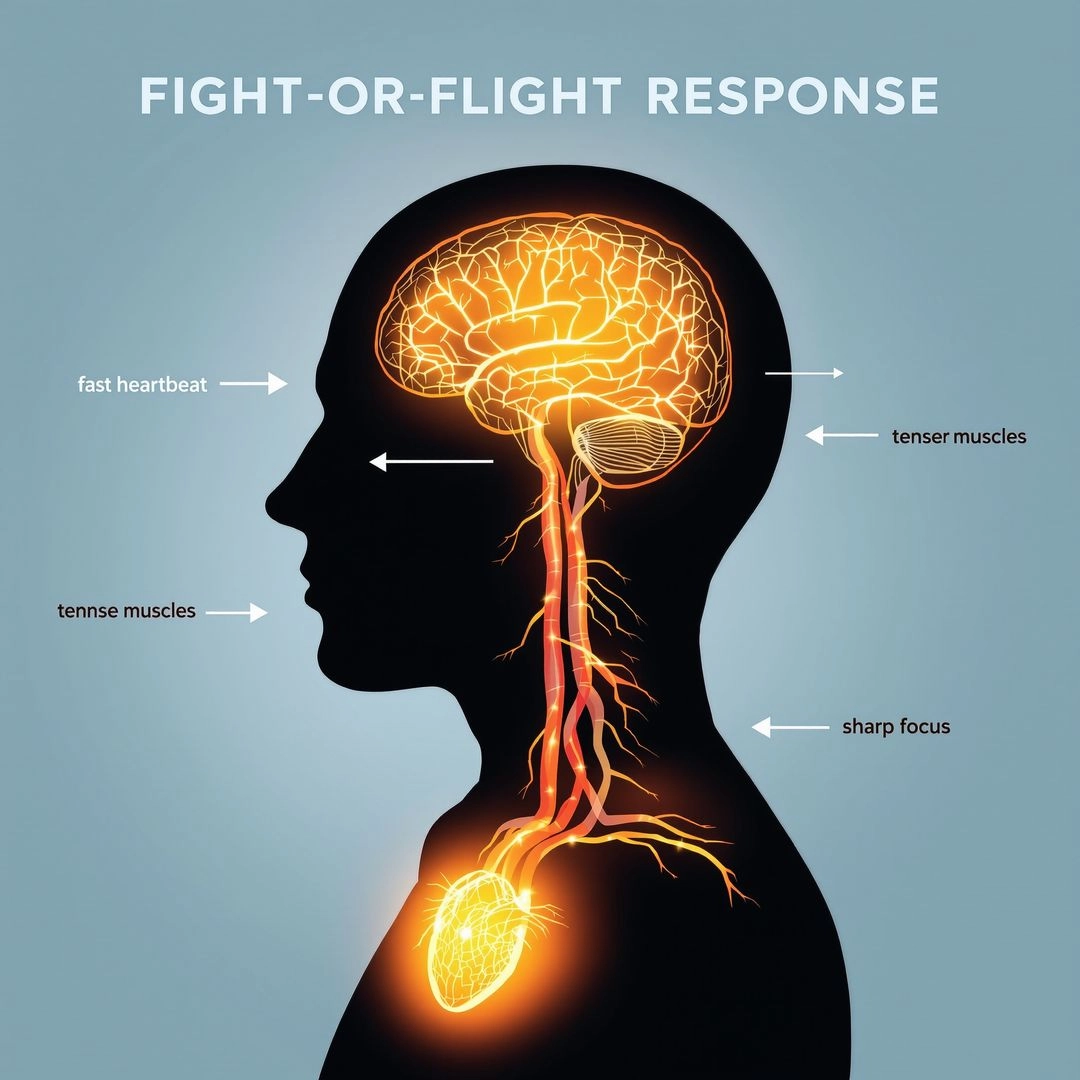
Stress is the body’s natural response to a real or perceived threat. Your brain signals your body to release hormones and immune proteins that help you think fast and act quickly. This is often called the “fight-or-flight” response.
- Helpful in short bursts: heart rate increases, muscles get ready, focus sharpens.
- Harmful when ongoing: the body doesn’t fully “switch off,” and inflammation stays high.
What feels stressful varies by person. For example, traffic might be stressful for someone late to a meeting, but relaxing for someone with no schedule pressure.

Why chronic stress is riskier as we age
In younger adults, stress chemicals drop back to normal after the threat passes. As we age, this response can linger—especially when stress is frequent. Over time, this can lead to higher levels of IL‑6 and other inflammatory proteins (like IL‑1, IL‑8, TNF, and CRP).
High, long-lasting IL‑6 has been linked to:
- Heart and blood vessel disease
- Type 2 diabetes
- Weaker immune response (more infections, slower wound healing, vaccines may be less effective)
- Digestive issues
- Osteoporosis and gum disease
- Certain cancers and autoimmune conditions (e.g., rheumatoid arthritis, lupus, multiple sclerosis)
- Brain health concerns (Alzheimer’s, dementia, nerve damage, mood changes, depression)
Caregivers often face chronic stress. In one Ohio State University study, older adult caregivers had about four times higher IL‑6 than similar non‑caregivers. Depression rates in caregivers are also higher than in non‑caregivers.