Depression in Older Adults: Signs, Causes, and How to Get Help

Depression is common—but not a normal part of aging. Many older adults experience persistent sadness, loss of interest, or fatigue that affects daily life. The good news: depression is treatable at any age. If you or a loved one might be struggling, a simple screening and the right support can make a real difference.
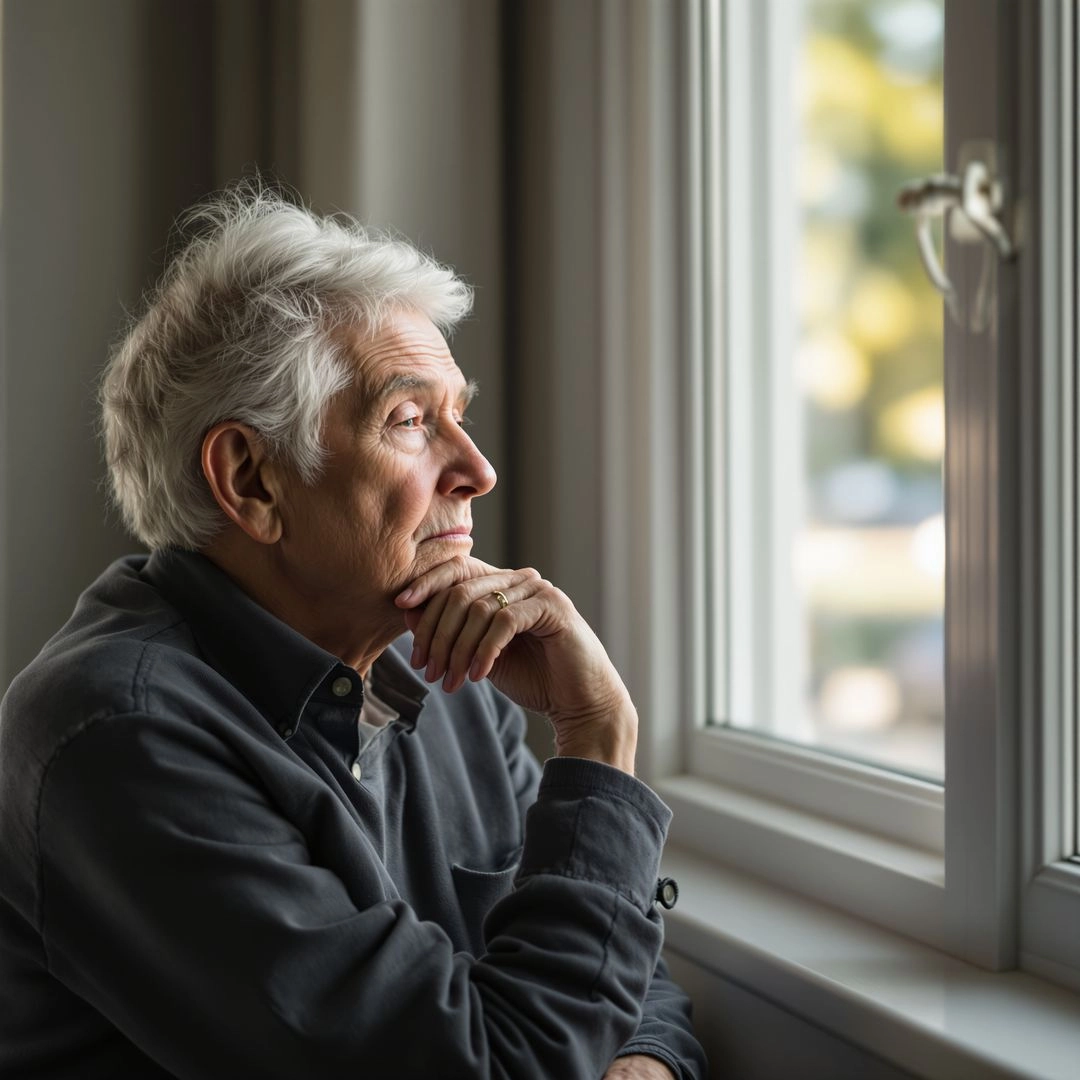
Elderly man seeing outside the window

Quick facts

  • An estimated 10–20% of older adults experience significant depressive symptoms.
  • Depression can look different in seniors and is often missed or mistaken for other conditions.
  • Effective treatments include talk therapy, social support, lifestyle changes, and medication when appropriate.


Common Signs of Depression in Seniors

Watch for changes that last most days for two weeks or more:
  • Persistent sadness, low or irritable mood
  • Loss of interest in hobbies or social activities
  • Fatigue or low energy
  • Changes in appetite or weight Sleep changes (too much or too little)
  • Difficulty concentrating or making decisions
  • Feelings of worthlessness, guilt, or helplessness
  • Less attention to personal care or household tasks
  • Anxiety or restlessness
  • Frequent thoughts about death or statements about “giving up”
  • Talking about suicide or feeling like a burden
If there is any mention of self-harm or suicide, seek help right away (see Urgent Help below).

Depression or Dementia? Key Differences

Because symptoms can overlap, it’s important to know the distinctions:

Onset and awareness

  • Depression: More sudden decline; the person is usually aware of memory problems and worried about them.
  • Dementia: Slow, progressive decline; the person may not recognize memory loss.

Memory and orientation

  • Depression: Trouble concentrating; orientation to time and place is usually intact.
  • Dementia: Disorientation and difficulty recognizing familiar places or people.

Movement and language

  • Depression: Movements may be slowed but remain coordinated; language is intact.
  • Dementia: Increasing difficulty with language and motor planning over time.

Common Triggers and Medical Causes

  • Losses and life changes (bereavement, retirement, moving homes)
  • Social isolation or loneliness
  • Chronic pain or long-term illness
  • Side effects or interactions from medications
  • Nutrient deficiencies (for example, vitamin B12)
  • Thyroid or other medical conditions
  • Sleep problems, hearing or vision loss
  • Financial stress or loss of routine

A Real-Life Example

Selma lost her husband shortly before the holidays. Her family noticed she skipped her usual traditions, had low energy, and withdrew from activities. Her doctor diagnosed depression and found a vitamin B12 deficiency. With treatment for both, she began to feel better. Depression often has both emotional and medical pieces—addressing each one helps recovery.
Sad elderly women

What Helps: Proven Treatment Options

Talk therapy (first-line for many older adults)

  • Cognitive Behavioral Therapy (CBT) and Problem-Solving Therapy are effective for seniors.
  • Grief counseling can help after loss.

Medications (when needed)

  • Antidepressants can help; choice and dose should be tailored for older adults due to possible side effects and interactions.
  • Regular follow-up is essential to monitor benefits and adjust treatment.

Social and lifestyle supports

  • Regular social contact (clubs, faith groups, senior centers)
  • Light physical activity as approved by a clinician (walking, gentle classes)
  • Better sleep routines and daylight exposure
  • Address hearing/vision issues (devices can reduce isolation)

Medical evaluation

  • Review all medications and supplements
  • Check for treatable causes (pain, thyroid issues, vitamin B12 deficiency)
  • Manage chronic conditions that can worsen mood

Caregiver and family involvement

  • Encourage small, manageable steps
  • Offer transportation, reminders, and companionship
  • Celebrate progress, however small

Holiday Blues: Simple Steps That Help

  • Keep traditions small and meaningful (a favorite song, a short visit)
  • Plan brief, low-effort social moments (phone or video calls)
  • Get outside light daily if possible
  • Set realistic expectations and rest often
  • Ask for help with tasks like decorating, shopping, or writing cards
  • Grief counseling can help after loss.
Doctor consulting with the elderly man in clinic

When to Talk to a Clinician

  • Symptoms last most days for more than two weeks
  • Loss of interest, withdrawal, or decline in daily functioning
  • New confusion or memory concerns
  • Any mention of self-harm or feeling like a burden
Ask for a depression screening (PHQ-2 or PHQ-9) and a medication review. Consider seeing a geriatric specialist or a clinician experienced in older adult mental health.
Elderly man calling urgently with phone in hand

Urgent Help

  • United States: Call or text 988 (Suicide & Crisis Lifeline) or use 911 for immediate danger.
  • If outside the U.S., contact your local emergency number or visit the nearest emergency department. You are not alone, and help is available 24/7.

FAQs

Is depression a normal part of aging?
No. While life changes can be challenging, persistent depression is not “normal” and is treatable.
How do I tell the difference between grief and depression?
Grief often comes in waves and eases over time. Depression is more constant and affects daily functioning. If unsure, ask for a screening.
Do antidepressants work for people over 65?
Yes, many do. Treatment should be individualized to minimize side effects and interactions, and combined with therapy and social support when possible.
How long until I feel better?
Many people notice some improvement within 2–6 weeks of starting treatment; full benefit may take longer. Regular follow-up helps.
What can families and caregivers do?
Offer companionship, help with appointments, and encourage activities the person enjoys. Watch for warning signs and seek help early.