Positive Aging: How Your Attitude Supports Health, Quality of Life, and Longevity

  • Who this is for: Adults 60+ who want more energy, purpose, and joy in daily life.
  • What you’ll learn: How mindset influences health and longevity, the role of spirituality, how retirement affects well‑being, and simple steps to build a positive outlook.
  • Quick takeaway: A positive attitude is linked with better health, lower depression, and longer life—and small daily actions can make a big difference.

Key takeaways

  • A positive outlook is associated with better health, fewer chronic conditions, and longer life.
  • Faith and spiritual practices are linked with lower anxiety and depression for many people.
  • Retirement can boost happiness at first, but without purpose and structure it may increase the risk of depression and physical decline.
  • Simple daily habits—movement, connection, purpose, and gratitude—build a stronger mindset at any age.

Why attitude matters for healthy aging

  • Long-term studies of older adults suggest that people with a more optimistic outlook tend to report better health and live longer.
  • A large study found that people identified as “optimistic” had lower mortality than “pessimistic” peers.
  • Mood, activity, sleep, and social connection are interlinked. When one improves, others often follow.

Faith, spirituality, and well‑being

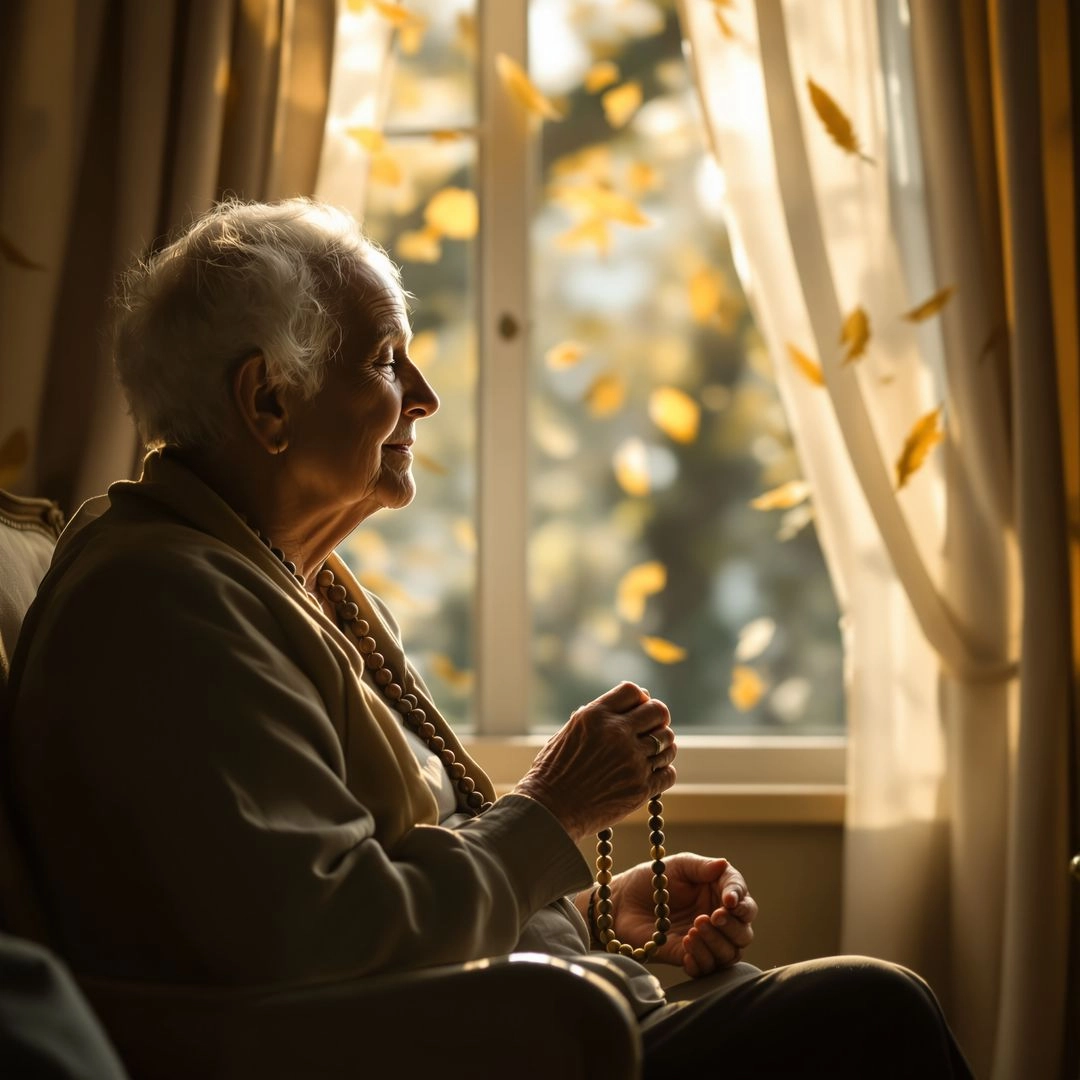
  • Regular participation in religious or spiritual activities is linked with lower rates of anxiety and depression and better self‑reported health for many older adults.
  • It’s not clear if the benefit comes from mindset, community support, healthier routines, personality, or a mix of all. If spirituality interests you, gentle steps like attending a service, joining a small group, or a short daily prayer/meditation can help you feel more connected.
Smiling senior walking outdoors in a park, representing optimism, positive mood, and healthy aging.

Optimism, mood, and brain health

  • Positive emotions can ease the burden of chronic pain and may reduce risk factors for heart disease.
  • Staying positive helps lower the chance of prolonged depression, which is associated with poorer nutrition, lower activity, and cognitive decline.
  • Good news: building optimism is learnable at any age.

Retirement: risks and opportunities

  • Retirement affects people differently. If work was stressful, leaving may improve mood and health—especially with a plan for meaningful activities.
  • Risks to watch:
    • Loss of routine or identity can increase depression and health problems over time.
    • Relationships may change when partners spend more time together. Clear communication and personal space help.
    • Financial stress can reduce joy in retirement and limit healthy choices.
  • Many adults now work part‑time, consult, volunteer, or start small businesses after 65 to stay engaged.
  • If you’re planning retirement, consider:
    • Purpose: How will you contribute, create, or learn?
    • People: Who will you see weekly?
    • Physical activity: What will keep you moving most days?
    • Practical plans: Budget, healthcare, and daily routine.
Older couple smiling while planning retirement together, symbolizing balance between purpose and well-being.

7 simple ways to build a positive attitude today

Move your body daily

Try 20–30 minutes of walking, stretching, or light strength work most days. Even 5–10 minutes helps.

Strengthen social ties

Schedule a weekly call or coffee. Join a club, class, or faith community. Say yes to invites.

Practice gratitude

Write down 3 things you’re grateful for each day. Keep it simple.

Engage your mind

Learn something new: a language app, music, crafts, or local courses. Aim for 20–30 minutes a day.

Reduce stress

Practice slow breathing, short meditations, nature walks, or gentle yoga. Limit nonstop news.

Find purpose

Volunteer, mentor, or work part‑time. Identify one way each week to help someone else.

Protect sleep

Keep a regular bedtime, dim screens at night, and keep the bedroom cool and dark.
Active senior engaging in walking, journaling, and social connection to build a positive attitude and daily happiness.

Frequently Asked Questions

What is respite care?
Short-term relief for caregivers at home, in adult day centers, or in licensed facilities so you can rest, run errands, or take a vacation.
How can I pay for care?
Use a mix of personal funds, long-term care insurance, veteran benefits, Medicaid/Medicare (for eligible services), and community programs; speak with a benefits counselor.
How do I manage multiple medications safely?
Use one pharmacy, keep an updated list, ask about blister packs, set reminders, and review for interactions with a pharmacist or clinician.
What are early signs of caregiver burnout?
Irritability, constant fatigue, isolation, sleep problems, guilt, or neglecting your own health. Plan respite and support immediately.
How do I make the home safer?
Remove clutter and throw rugs, add grab bars and brighter lighting, organize meds, and consider a medical alert device.