
Age-Friendly Healthcare: Getting the Care You Deserve as an Older Adult

Older adults bring wisdom, experience, and resilience. Yet in many healthcare settings, age bias can lead to missed diagnoses or under-treatment. This guide shows you what quality senior care looks like, real-world examples of what can go wrong, and simple steps to get the right care now.
Caregivers providing support to elderly individuals

Why age bias harms care

  • Some clinicians unconsciously attribute new symptoms to “just aging,” rather than investigating the cause.
  • Older adults may receive symptom-only treatment (like pain pills) instead of tests to find the underlying issue.
  • Example: A 90-year-old with knee pain is told, “You’re just old,” even though the other knee is fine. Pain still deserves evaluation at any age.

Real stories, real lessons

Unrecognized anemia after surgery

A 71-year-old woman had months of fatigue and pain dismissed as age-related. A simple blood test found severe anemia. After treatment, pain resolved and recovery was complete. Lesson: Ask for lab tests when recovery stalls or energy crashes.

Depression misdiagnosed as dementia

After losing her spouse, an older woman developed severe depression. Underlying hypothyroidism and malnutrition were missed. With correct diagnosis and treatment, she recovered and resumed volunteering. Lesson: New confusion or mood changes deserve medical evaluation beyond “old age.”

Long-term sedative use after minor stroke

An active 65-year-old was given Valium for anxiety and became dependent, leading to inactivity, muscle loss, and loss of independence. Lesson: Regularly review medications and watch for side effects that reduce activity or mood.

What age-friendly, geriatric care looks like

  • Treats aging as a life stage, not a disease.
  • Investigates new symptoms with appropriate tests (not “it’s just age”).
  • Coordinates care across providers and medications.
  • Includes movement, nutrition, mental health, and social support.
  • Involves family or caregivers (with your permission).
  • Schedules regular check-ins to catch issues early and prevent ER visits.
Doctor consulting with the elderly women
Elderly women with doctor in hospital

Preventive care and Medicare coverage

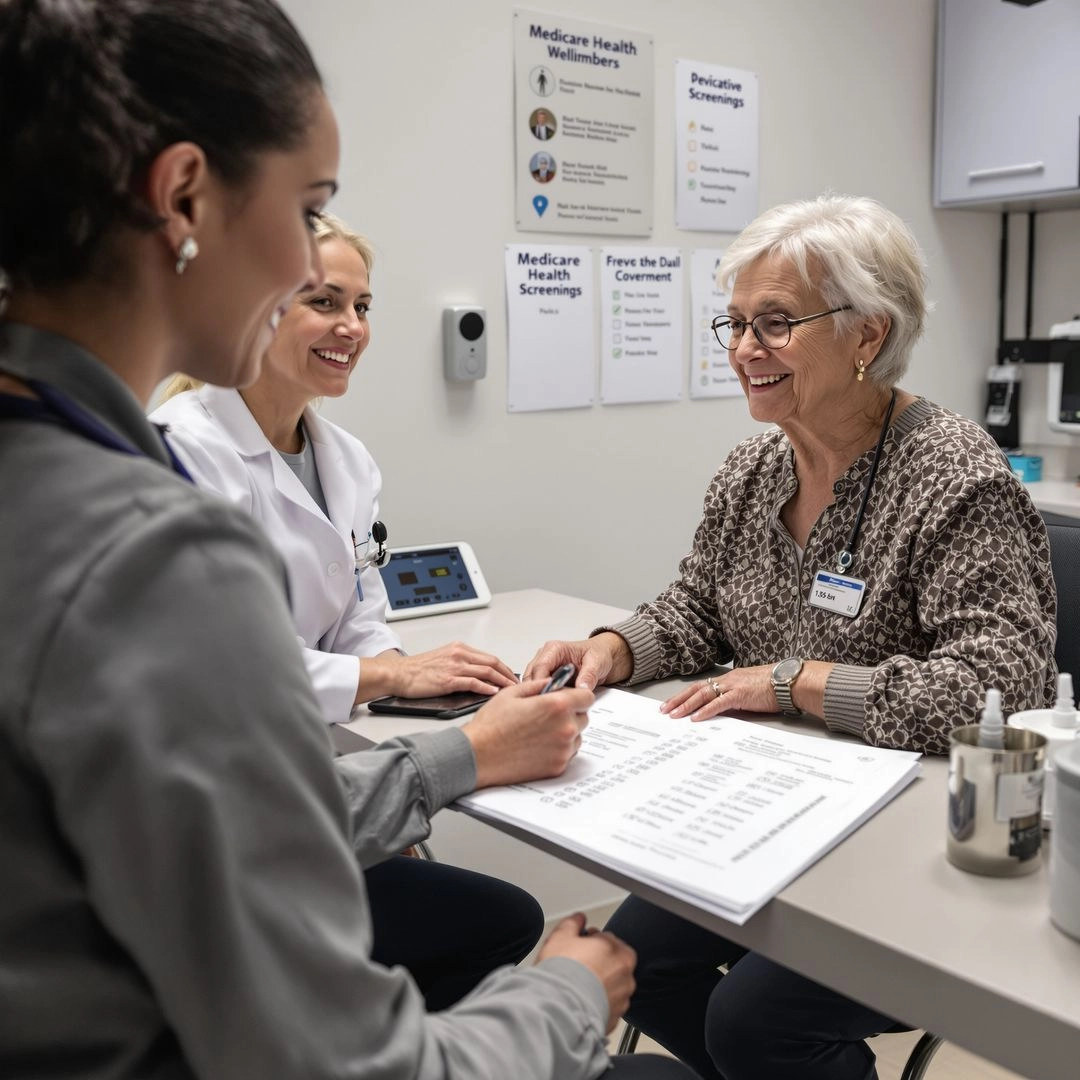
  • Medicare covers an Annual Wellness Visit focused on prevention, risk assessment, and care planning.
  • Many preventive screenings and vaccines are covered (flu, COVID-19, pneumonia, shingles; cancer screenings; cardiovascular checks; osteoporosis screening).
  • Ask your clinic which services are covered for you and how to schedule them.
Proactive care

Proactive care you can ask for today

  • Schedule a comprehensive geriatric assessment to review mobility, memory, mood, medications, and safety at home.
  • Request a medication review to reduce side effects, drug interactions, and overuse of sedatives or pain medications.
  • Ask for targeted tests when something changes: bloodwork for fatigue, thyroid tests for mood or energy shifts, heart and blood pressure checks for dizziness or headaches.
  • Track changes: Bring a simple symptoms-and-medications list to each visit.
  • Bring support: Have a family member or friend join you (in person or by phone) to take notes and help ask questions.
  • Seek a second opinion if symptoms are labeled “just aging” without testing or if treatment is not helping.
Veteran working on laptop

Veterans: what the VA gets right for older adults

  • Regular exams with labs, proactive screenings, and integrated electronic records reduce missed diagnoses and drug interactions.
  • Ask your non-VA provider for the same elements: scheduled check-ins, centralized records, and proactive monitoring.

When to call your doctor promptly

  • New or worsening fatigue, shortness of breath, chest pain, or persistent pain
  • Sudden confusion, mood changes, or depression
  • Dizziness, falls, new headaches, or changes in blood pressure
  • Unintentional weight loss, poor appetite, or signs of malnutrition
  • Side effects from new or long-term medications

Services for older adults (ask your clinic)

  • Comprehensive senior health assessment
  • Medication and fall-risk review
  • Memory and mood screening (depression, anxiety)
  • Chronic disease management (blood pressure, diabetes, COPD)
  • Physical therapy or movement programs tailored to older adults
  • Nutrition and swallowing support
  • Care coordination with family and caregivers
Elderly man booking appointment on mobile

Easy next steps

  • Book an appointment: Schedule a senior health assessment or medication review.
  • Call for guidance: Speak with a care coordinator about symptoms or coverage.
  • Download a checklist: “Your Senior Health Visit Prep” to list meds, questions, and goals.
  • Request a second opinion: Especially if symptoms are attributed to age without evaluation.
Elderly man talking with doctor

Simple questions to ask at your next visit

  • What else could be causing this symptom besides aging?
  • Which tests will help us find the cause?
  • What are the benefits and risks of this treatment for someone my age?
  • Could any of my medications be causing this?
  • When should I call you or go to urgent care?

FAQs

Is it normal to feel tired all the time as I get older?
No. While energy may change with age, persistent fatigue can signal anemia, thyroid issues, heart or lung problems, medication effects, depression, or sleep disorders. Ask for evaluation.
How often should older adults have labs or check-ups?
At least annually, and more often if you have chronic conditions or new symptoms. Medicare’s Annual Wellness Visit and disease-specific follow-ups help catch issues early.
Are antidepressants safe for seniors?
They can be, but dose and choice matter. Always combine with evaluation for medical causes of depression (thyroid, pain, medications, grief) and consider therapy and social supports.
What is a comprehensive geriatric assessment?
A structured review of medical conditions, medications, mobility, memory, mood, nutrition, and home safety, with a care plan that fits your goals.
When should I seek a second opinion?
If your symptoms are dismissed as “just aging,” if treatment isn’t helping, or if you’re uncomfortable with the plan. A second opinion can prevent delays in care.