Parkinson’s Disease in Older Adults: Symptoms, Diagnosis, Treatment, and Support

Who is this for

  • Older adults, spouses, and family caregivers who want clear, trustworthy information about Parkinson’s disease (PD)
  • People looking for next steps, treatment options, and support resources
Quick facts

  • About 1 million Americans live with Parkinson’s disease; 60,000+ are diagnosed each year
  • Parkinson’s becomes more common with age and is slightly more common in men
  • Early recognition and treatment can improve quality of life and daily function
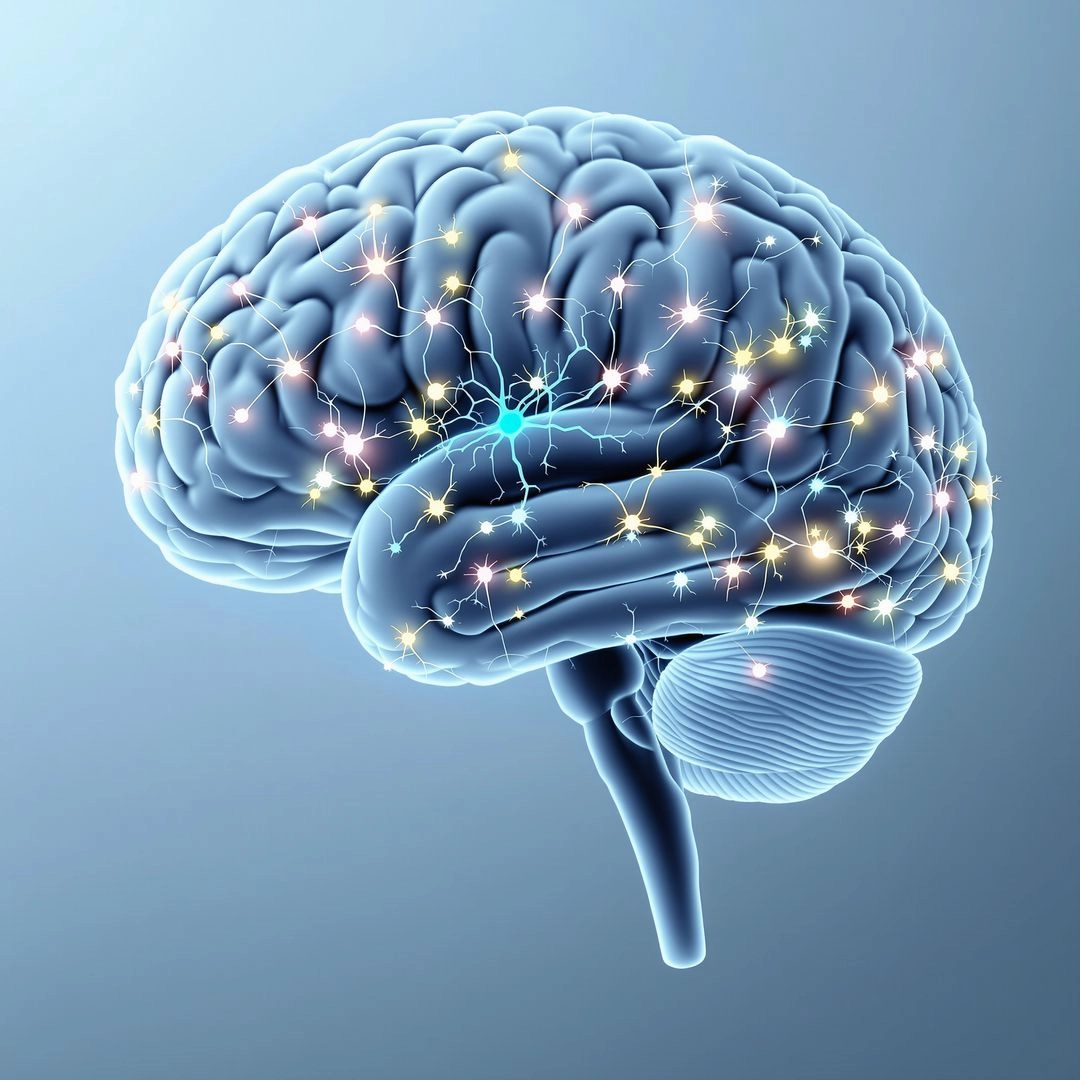
Realistic brain illustration showing dopamine neuron loss in Parkinson’s disease.

What is Parkinson’s disease?

Parkinson’s disease is a progressive neurological condition that affects movement and other body functions. It develops when brain cells that make dopamine (a chemical that helps control movement) gradually decline. While there is no cure yet, many treatments help manage symptoms and maintain independence.

Common signs and symptoms

  • Tremor: Shaking in the hands, fingers, or limbs, often at rest
  • Slowed movement (bradykinesia): Small steps, slower walking, or taking longer to do daily tasks
  • Muscle stiffness (rigidity): Tight or sore muscles anywhere in the body
  • Posture and balance changes: Stooped posture, unsteadiness, or balance problems
  • Reduced automatic movements: Less blinking, arm-swing while walking, or facial expression
  • Speech changes: Softer voice, monotone speech, slurring, or hesitation before speaking
  • Writing changes: Smaller or crowded handwriting
  • Thinking or memory changes: Increased risk of mild thinking changes and, in later stages, dementia
Older man with hand tremor consulting a doctor about Parkinson’s symptoms.

When to contact a doctor

  • You notice a new tremor, slower movement, balance issues, or handwriting changes
  • Walking feels less steady or you’ve had a fall
  • Your voice has become softer and harder to hear
  • You feel depressed, anxious, or unusually tired without a clear cause
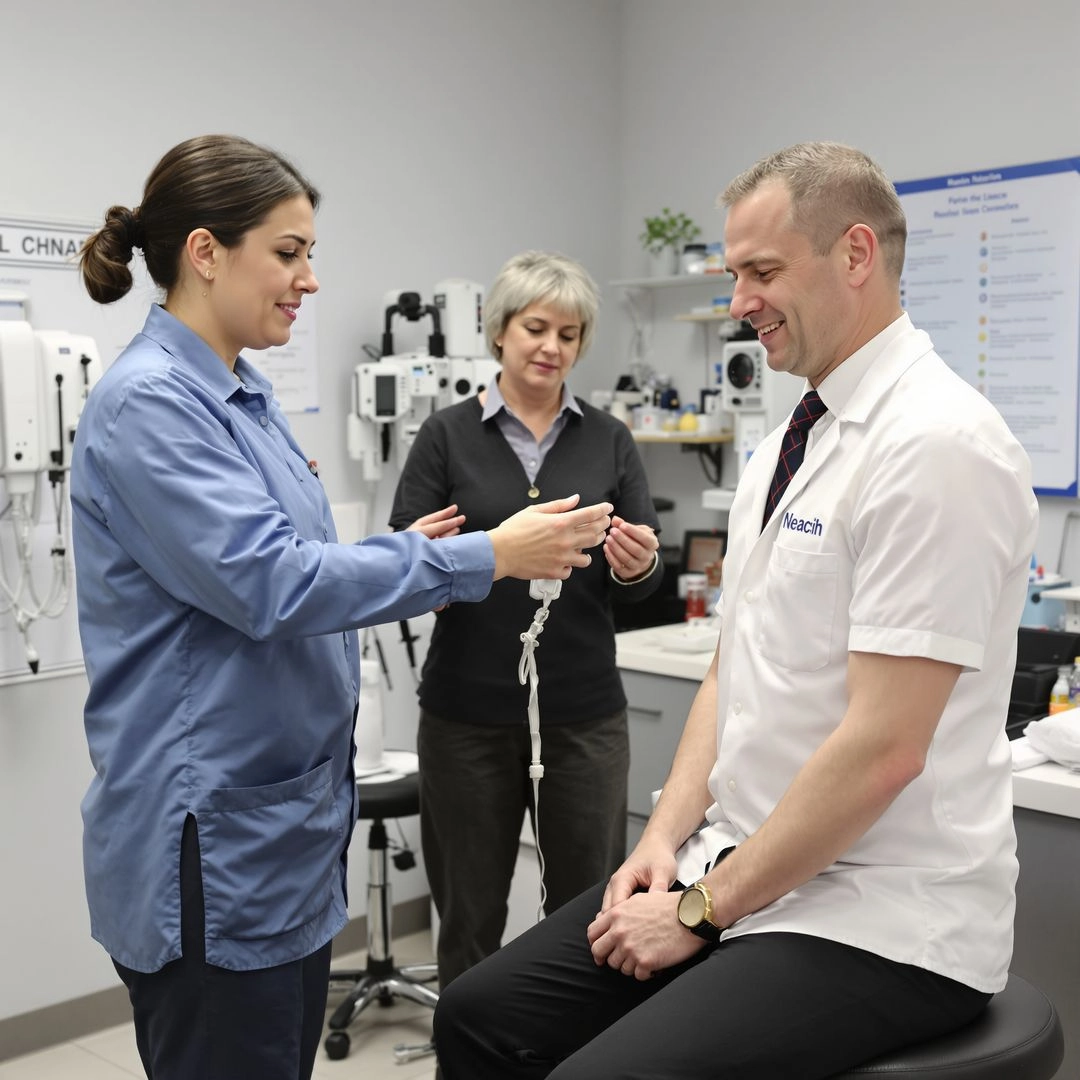
Neurologist evaluating patient’s movement and balance for Parkinson’s diagnosis.

How Parkinson’s is diagnosed

  • There is no single lab test; diagnosis is based on history, symptoms, and a neurological exam
  • A neurologist may try medications (like carbidopa-levodopa); symptom improvement can support the diagnosis
  • Imaging and blood tests may help rule out other conditions
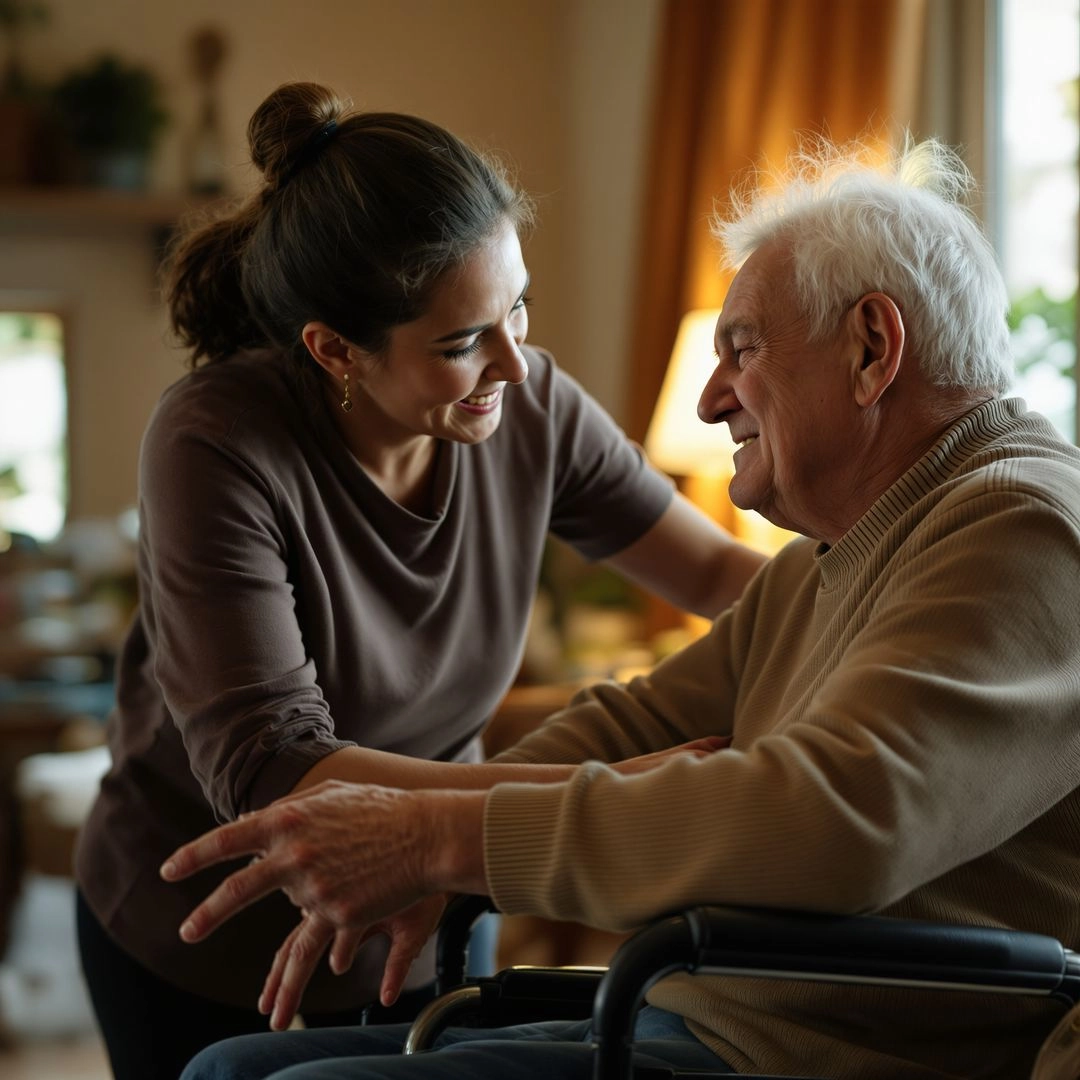
Elderly person with mobility issues receiving support from caregiver due to advanced Parkinson’s disease.

Complications when Parkinson’s is not well controlled

  • Thinking difficulties or dementia (usually later in the disease)
  • Mood and motivation changes: depression, anxiety, apathy
  • Swallowing changes and drooling
  • Sleep problems: waking often, daytime sleepiness, vivid dreams
  • Bladder issues and constipation
  • Dizziness from low blood pressure when standing
  • Decreased sense of smell
  • Fatigue and pain

Treatment options

Medication

  • Carbidopa-levodopa: Often the most effective medication to improve movement symptoms; available in pill form and as intestinal gel infusion in advanced cases
  • Dopamine agonists: Mimic dopamine; may be used alone or with levodopa to smooth “off” periods
  • MAO-B inhibitors: Help prevent dopamine breakdown; may cause nausea or insomnia
  • COMT inhibitors: Extend levodopa’s effects by slowing its breakdown
  • Anticholinergics: May help tremor; side effects can include memory issues, confusion, constipation, dry mouth, and urinary difficulty
  • Amantadine: Short-term relief for mild symptoms or to reduce involuntary movements with levodopa

Procedures and therapies

  • Deep brain stimulation (DBS): A neurosurgical procedure that implants electrodes in specific brain areas to reduce symptoms and medication fluctuations
  • Physical therapy: Strength, balance, and gait training
  • Occupational therapy: Strategies and tools to make daily activities safer and easier
  • Speech therapy: Voice strength, clarity, and swallowing strategies
  • Regular exercise: Aerobic activity, stretching, and balance exercises can improve mobility and mood

Living well with Parkinson’s

  • Stay active: Aim for regular, safe exercise (walking, stationary cycling, tai chi, or boxing programs for PD)
  • Prevent falls: Remove tripping hazards, add grab bars and good lighting, wear supportive shoes
  • Keep meals and medications on schedule; use a pill organizer
  • Manage sleep: Keep a regular schedule; discuss vivid dreams or acting out dreams with your clinician
  • Emotional health: Seek support groups; treat depression or anxiety
  • Care partner support: Share tasks, use respite care, and consider a care coordinator for complex needs

Causes and risk factors

  • Age: Risk increases with age, commonly starting around 60
  • Sex: Slightly more common in men
  • Family history: Having a close relative with PD modestly increases risk
  • Environmental exposures: Long-term exposure to certain pesticides and herbicides may increase risk; Agent Orange exposure is associated with PD in veterans
  • Rare toxin exposure: MPTP (a contaminant found in illicit drugs) can cause parkinsonism

Prevention

  • There is no proven way to prevent PD
  • Some research suggests that caffeine or green tea may be associated with lower risk, but this is not a recommendation to start caffeine

Costs and support

  • Annual U.S. economic burden is estimated in the tens of billions of dollars, including care costs and lost income
  • Medication and procedure costs vary; some surgeries can be expensive
  • Ask about insurance coverage, Medicare benefits, veterans’ benefits, and patient assistance programs

How we can help

  • Get a personalized care plan for mobility, safety, and daily routines
  • Arrange in-home support, therapy referrals, and transportation
  • Coordinate with your neurologist to support your treatment plan

Call to action

  • Schedule a free Parkinson’s care consultation
  • Call us now to discuss symptoms, home safety, and support options
  • Download our Parkinson’s Home Safety Checklist
  • Join our monthly Parkinson’s support group

Helpful resources


FAQs

Is Parkinson’s curable?
There is no cure yet, but many treatments relieve symptoms and help maintain independence.
Does everyone with Parkinson’s get tremor?
No. Tremor is common but not universal. Slowed movement, stiffness, and balance issues can also be key signs.
When should I consider deep brain stimulation?
DBS is considered when medications help but cause troublesome fluctuations or dyskinesias. A movement-disorders specialist can evaluate your candidacy.
What exercises are best?
Walking, tai chi, stationary cycling, stretching, and PD-specific boxing or dance programs can improve mobility and balance. Always ask your clinician which is safest for you.
How can I support a loved one with Parkinson’s?
Help with medication schedules, fall prevention, appointments, and emotional support. Consider respite care and support groups for both of you.