Healthy Aging: Practical Steps to Stay Active, Engaged, and Confident

  • Dementia is not a normal part of aging, though age is the strongest risk factor.
  • Alzheimer’s disease is the most common cause of dementia.
  • Early evaluation matters; some treatments and strategies may slow decline in early stages.
  • You are not alone—support, home care, and memory care options can help you live safely and with dignity.
  • Speak with a care advisor for a free consultation: (800) 989-8137

Elderly man with dementia
Illustration showing elderly man thinking diagnosed with dementia

What dementia is—and what it is not

  • Dementia: An umbrella term for conditions that affect memory, thinking, and daily function.
  • Alzheimer’s disease: The most common cause of dementia. It typically starts with memory and learning changes and progresses over time.
  • Not a normal part of aging: Occasional forgetfulness is common; dementia involves persistent, worsening changes that affect daily life.
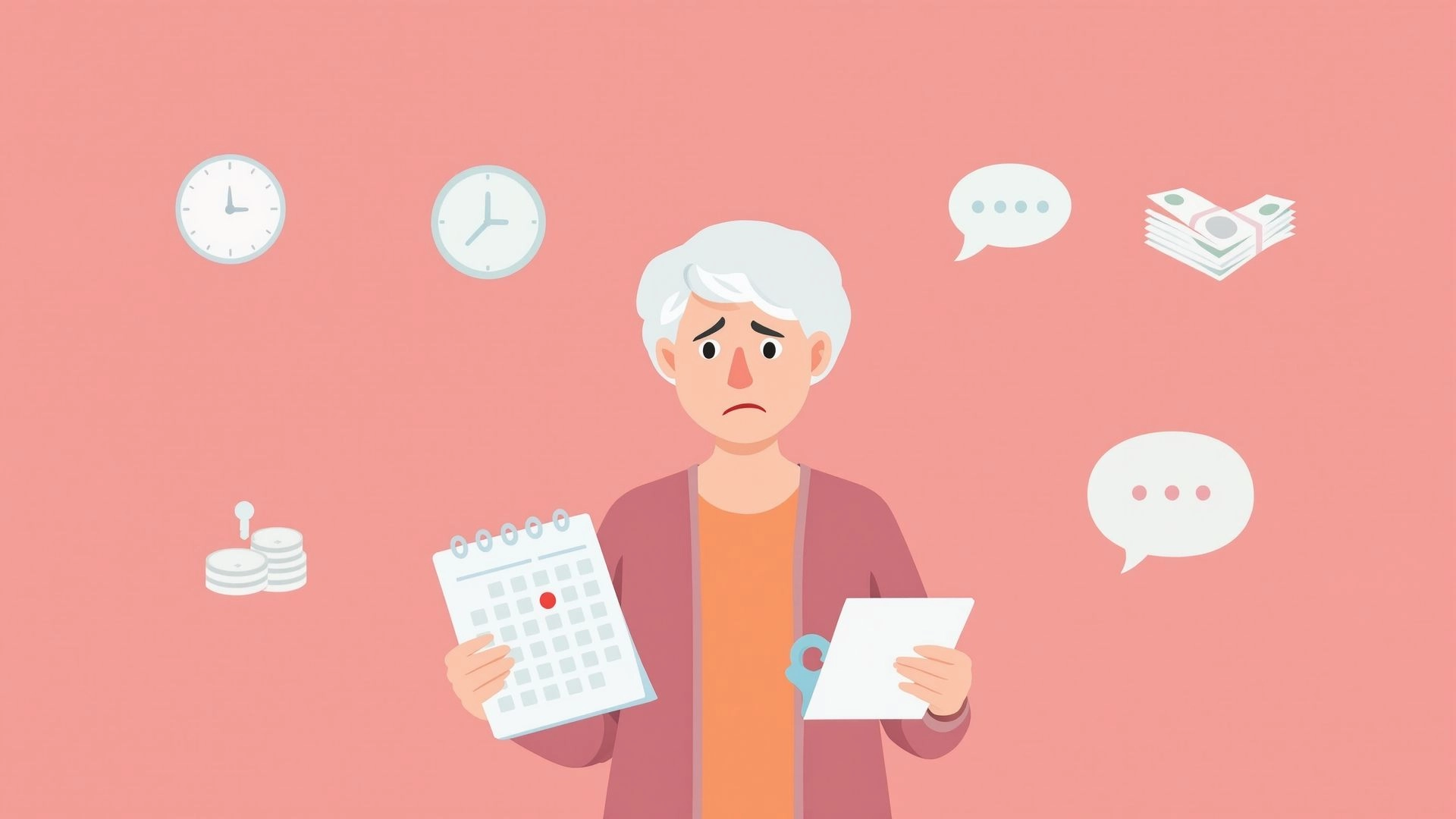
Illustration showing puzzled elderly women diagnosed with Alzheimer’s disease

Early signs and symptoms to watch for Alzheimer’s disease

  • Trouble remembering recent events or appointments
  • Repeating questions or misplacing items
  • Difficulty managing bills, medications, or familiar tasks
  • Getting lost in familiar places or confusion about time
  • Changes in mood, personality, or judgment
  • Trouble finding words or following conversations
If you notice several of these changes, talk with a primary care clinician or memory specialist.

Common Scams That Target Seniors

  • Imposter scams: “Grandchild in trouble,” IRS, Medicare, or utility company calls.
  • Lottery and prize scams: “You won—just pay the fee.”
  • Tech support scams: Fake pop-ups or calls claiming your computer has a virus.
  • Romance scams: Online connections that ask for money.
  • Charity scams: Fake disaster relief or veterans’ charities.
  • Medical equipment and benefits scams: Fraud involving durable medical equipment or services.

Stages at a glance

Mild (early)

Subtle memory lapses; more effort needed for complex tasks. Many people remain independent with some support.

Moderate (middle)

Increasing confusion, sleep or behavior changes, and more help needed with daily activities.

Severe (late)

Assistance needed for most activities; limited communication and mobility; greater infection risk.

Common types of dementia (plain-language overview)

  • Alzheimer’s disease: 60–80% of cases; memory and learning affected first; gradual progression.
  • Vascular dementia: Due to reduced blood flow to the brain (strokes or “mini-strokes”); thinking speed and planning often affected.
  • Dementia with Lewy bodies: Fluctuating alertness, visual hallucinations, sleep changes, and Parkinson’s-like movement symptoms.
  • Frontotemporal dementia (FTD): Earlier onset is more common; changes in behavior, personality, or language.
  • Parkinson’s disease dementia: Develops in some people with Parkinson’s; movement symptoms appear before thinking changes.
  • Mixed dementia: More than one cause at the same time (for example, Alzheimer’s plus vascular changes).
  • Mild cognitive impairment (MCI): Noticeable changes in memory or thinking that do not yet interfere with daily independence; needs monitoring.

Reducing risk and protecting brain health

  • Manage blood pressure, diabetes, and cholesterol; take medicines as prescribed.
  • Stay active: Aim for regular walking or strength exercises as advised by your clinician.
  • Prioritize sleep and treat sleep apnea if present.
  • Treat hearing loss and use hearing aids if recommended.
  • Eat a heart-healthy diet (Mediterranean or MIND-style meals).
  • Stay socially connected and mentally engaged (clubs, hobbies, learning).
  • Do not smoke; limit alcohol.
These steps support overall brain health. Always consult your clinician before changing diet, exercise, or medications.

When and how to seek an evaluation

  • Make an appointment if memory or thinking changes persist beyond normal forgetfulness.
  • Bring a list of symptoms, medications, medical history, and a trusted friend or family member.
  • Expect screening tools, lab tests, and sometimes brain imaging to look for treatable causes.
  • Ask about current treatments, clinical trials, and care planning resources. Some therapies for early Alzheimer’s may slow progression.

Safety and daily living tips

  • Create routines and use calendars, pill organizers, and reminders.
  • Simplify the home: good lighting, remove trip hazards, add grab bars and night-lights.
  • Review driving safety with the clinician and family if concerns arise.
  • Plan ahead: advance directives, power of attorney, and emergency contacts.
These steps support overall brain health. Always consult your clinician before changing diet, exercise, or medications.

Care and support options

  • In-home support: Personal care, meal prep, medication reminders, companionship, transportation.
  • Respite care: Short-term relief for family caregivers, at home or in a licensed setting.
  • Adult day programs: Social engagement, activities, and supervision during the day.
  • Memory care communities: Specialized 24/7 care when needs increase.
  • Hospice and palliative care: Comfort-focused support for advanced stages.

FAQs

Is dementia a normal part of aging?
No. Age raises risk, but dementia is caused by specific medical conditions.
What is the difference between Alzheimer’s and dementia?
Dementia describes symptoms; Alzheimer’s is the most common cause.
Can dementia be prevented?
There is no guaranteed prevention, but heart-healthy habits and managing medical conditions can lower risk.
Are there treatments?
Some medicines and therapies may help symptoms, and certain treatments for early Alzheimer’s may slow decline. Ask your clinician what is appropriate for you.
Does insurance cover home care?
Coverage varies. Medicare may cover skilled care and evaluations; long-term custodial care is typically private pay or supported by long-term care insurance. We can help you review options.