
End-of-Life Planning for Seniors and Their Families
Your choices matter. You can decide how you want to be cared for and where you’d prefer to spend your final days.
Planning early reduces stress, prevents unwanted medical treatments, and helps families honor your wishes.
Next steps: Talk to your doctor and family, complete an advance directive, and explore hospice or palliative care options.
What Really Causes Death in Older Adults
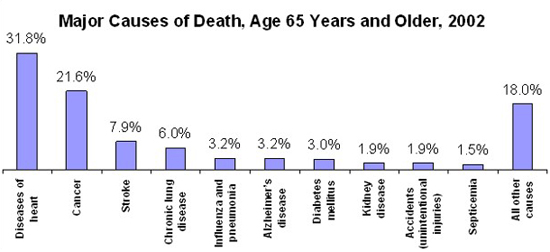
“Old age” is not listed as a cause of death in the U.S. Instead, conditions such as heart disease, cancer, stroke, chronic lung disease, and dementia are common causes in people 65+.
Many seniors experience multiple chronic conditions. Planning care around comfort and quality of life can reduce unnecessary hospital visits.
Medical Care Near the End of Life: Curing vs. Caring
Today’s medicine can often keep people alive with machines and procedures, but more treatment is not always better.
Studies (like the Dartmouth Atlas) show that the amount of end-of-life hospital care varies widely by location—and more intensive care does not lead to longer life or better comfort.
For many seniors, frequent hospital stays and ICU visits are exhausting. Care focused on comfort (palliative or hospice care) can improve quality of life at home or in a familiar setting.
Deciding When to Shift Goals of Care
Consider a shift from “curing” to “caring” when:
Treatments are no longer helping or are causing more burden than benefit.
The person is frequently hospitalized or in the ER.
Eating, walking, and daily activities are getting much harder.
The person or family states a preference for comfort and time at home.
How to Make Your Wishes Known (Advance Care Planning)
Choose a healthcare proxy: Select someone you trust to make decisions if you cannot.
Complete an advance directive (living will): Document your preferences for life-sustaining treatments, pain control, and place of care.
Discuss specific medical orders with your clinician: Depending on your situation, you can request:
Do Not Resuscitate (DNR)
Do Not Intubate (DNI)
Do Not Defibrillate (DND)
Full Comfort Care Only (FCCO)
No Feeding Tube (NFT)
No IV Lines (NIL)
No Blood Draws (NBD)
Allow Visitors Extended Hours (AVEH)
Ask about POLST/MOLST: A medical order for people with serious illness that turns your wishes into actionable orders for emergency responders.
Keep your documents accessible: Share copies with your proxy, family, doctors, and your local hospital. Store digitally where possible.
Choosing Where to Spend the Last Chapter
Many seniors prefer to die at home. Without planning, hospital deaths are more likely.
To improve the chance of staying at home:
Enroll in hospice or palliative care early.
Create a crisis plan (who to call first, which treatments you do or don’t want).
Keep needed supplies and comfort medications at home as advised by your care team.
Educate family on what to expect and whom to contact 24/7.
Understanding Hospice and Palliative Care
Palliative care: Comfort-focused care at any stage of serious illness. You can receive it alongside curative treatment.
Hospice care: For people with a life expectancy of about six months or less if the illness follows its usual course. Focuses on comfort, dignity, and support for the patient and family.